Saturday, February 24, 2024

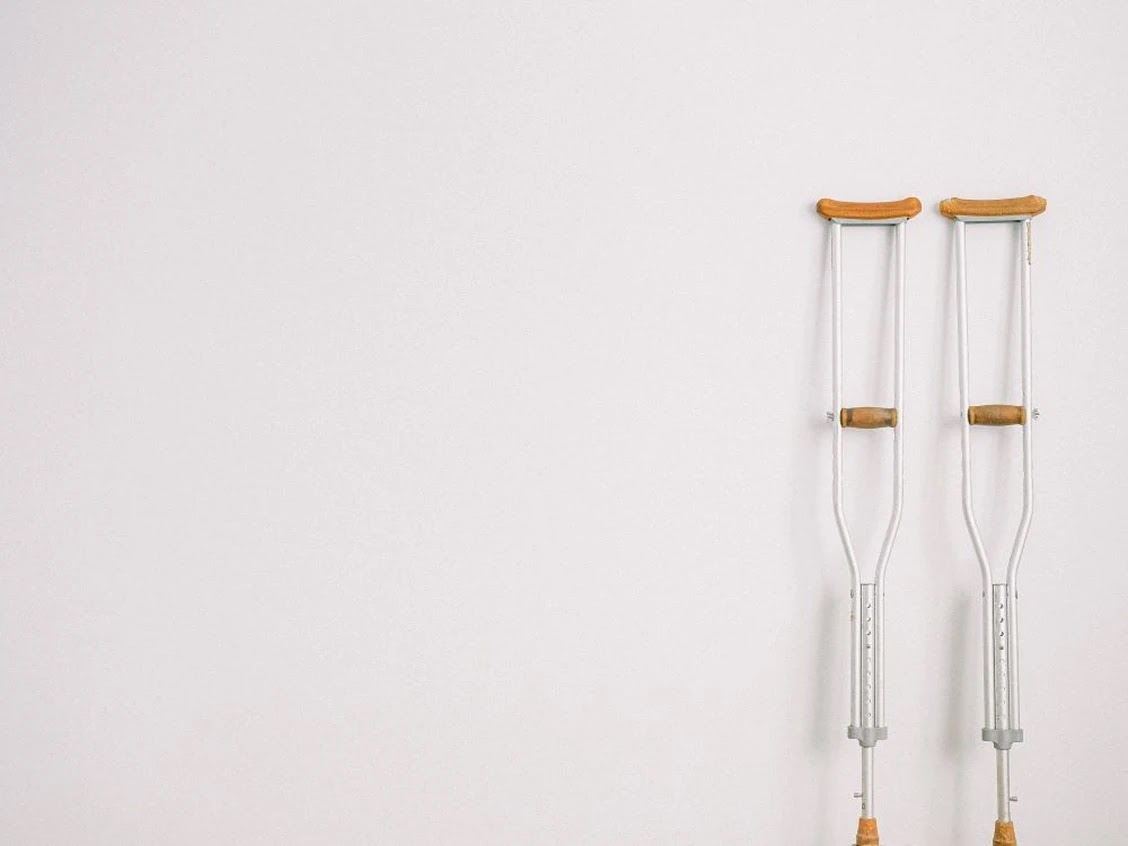
Where do I go now?


 Photo: Unsplash


A hot-button issue that affects nearly every Canadian family is that of long-term care for seniors and older adults. Then, there are those older adults, such as I, with since birth/long-standing disability warranting a different approach to care than those who age in ‘typical’ ways. In this age of ‘inclusion’ politicians must be aware of the language they use: just say NO to terms like suffer from; afflicted by; patients; handicapped; differently-abled; challenged (physically or mentally); wheelchair-bound. 

Politicians should be asking how care can be provided to persons with disability who may need help with everyday tasks like shopping, cooking, eating, bathing, dressing, going to the bathroom, moving from place to place. There needs to be ongoing dialogue with those on the front lines of health and wellness — doctors, nurses, physical and occupational and other such therapists; providers of mental health counselling, and so on. It’s not just about the roof over our heads — functioning with a condition or disease that affects how independent daily living is accomplished is no easy feat!  Policy makers and implementers of ‘care plans’ should endeavour to be on the same page and move forward mindful of one thing - RESPECT for the person needing or seeking assistance. 

I’ve been living in my home since 1991 and on my own since 2007, when my husband passed away. To date, I am doing very well and able to maintain the day to day with no help from outside agencies. I have several good friends who assist me with picking up groceries and ‘deep’ house cleaning a few times a year. Housework is exercise and since I ‘know’ the spaces, I feel safe in them. I’m all about reciprocity. Bartering is alive and well in my world.

Given that ‘home is where the heart is’, it’s cost effective in manifold ways to ensure that our elders are able to live in their own home as long as is practical and do-able. The cost savings both to the senior and to the government sponsored care providers is significant and any way in which the senior voter can save money should be the goal in view of our astronomical nursing home fees.  Safety in the home is paramount, and case by case, seniors and extended familial care providers  should consult to determine what needs to be done to the home and in the home to make it safe in the long term.  We don’t want to fork over a piece of our financial pie to the government until we absolutely have to.

We with life-long disability who are aging in to services for seniors expect assurance that our ‘unique’ needs can be addressed and that we won’t be patronized because the ‘able-bodied’ politicians don’t know how to speak to us or about us. Above all else, we’re human beings with pretty much the same wants, needs and desires as those who don’t live with disability. People first. Round table discussions with regard to the ‘bucket list’ of prioritized needs would be valuable as politicians develop their platforms and move forward to ‘get it done’.  The focus should be on long-term fixed needs that are shared by many, not just a few token frills to score points. 

Candidates who are able to eloquently address questions about funding long-term care, prioritizing community-based services that keep people out of institutions, and giving individuals with disability control over their own care services will grab the attention of voters who live with disability. The aging population will make long term and skilled nursing care more and more important over the next few years and decades. As well, more specialised care may be a requirement when planning for the future long-term nursing care needs of those with pre-existing disabling conditions outside the implications of aging and age-related decline.

So, in addition to learning about what seniors need, politicians need to educate themselves about what ‘special needs’ seniors require; critical as safe accommodation is, many of our seniors live at or below the poverty line and often cannot afford to modify their homes to make them safer. Those concerns must be addressed and since most required items are one-offs it’s not likely to ‘break the bank’.

Repurposing decommissioned schools and hospitals might be a way to address some sort of co-op housing; again, thinking outside the box, while at the same time fully including those who will be availing themselves of the services planned for and ultimately provided is critical. Recent articles have addressed the popular practice of providing adult day care; secondary to that should/could be development of respite (weekend) care schemes for persons of advanced age who may or may not live with a pre-existing disability.  Blending of populations is often seen  as way for those who are able/adept at certain skills to be buddied with those who are ‘less’ able. An effective matching via the buddy system is also  a way to improve mental/emotional health. Nowhere is this more critical than with the senior population who are sometimes isolated from the mainstream. An emotionally healthy, mentally and intellectually engaged senior is invariably going to be less of a drain on the financial resources of ‘the system’ - they’re too busy to get sick! 

Give me a home that gives me quality care, and I’m so there! Look for me in a few decades!

Carla MacInnis Rockwell is a freelance writer and disability rights advocate living outside Fredericton, NB with Miss Lexie, a rambunctious Maltese and Mr. Malcolm, a boisterous Havanese. She can be reached via email at: Carla MacInnis Rockwell

Saturday, February 10, 2024

Defining moments in parenting


As with many deficiencies to ambulation, how we alter the landscape at home and at school often determines how well a child will adapt. UNSPLASH

It’s a boy! It’s a girl! Twins!!  Each with 10 fingers and 10 toes and peach fuzz blondish hair for both.  The girl is examined and all seems to be well; rosy cheeks, a hint of a smile on the lips. She’s sleeping, with arms outstretched, legs outstretched. Her brother is restless, crying. Wait a minute --- something’s not right. In fact, something’s terribly wrong! The legs seem twisted on the boy, his toes curled;  his fists are clenched and won’t release. What is going on? 

The ‘perfect little family’, a boy and a girl arriving as a 2 for 1, with the months leading up to ‘the day’ being unremarkable in that there had been no identifiable problems. How could life be so cruel? Or was it? Let’s stop and take stock. The most important thing is being overlooked --- both babies are ALIVE. They are here and now! How is that cruel? After examination and consultation, it was determined that the boy may have cerebral palsy. Passing hours and days would reveal more.

Life is about to take two new parents and two brand new lives on an amazing journey to explore feelings that the Mom and Dad never knew that had – until now! What’s going to be added to the mix, not just for  these new parents, but for every single person involved in the lives of these little persons they created is something no one expected — an attitude adjustment.                                                                                               

I chose not to have children as multiple run both sides of my family; with my luck I’d have ended up with a six-pack. I was comfortable, in my teens being the aunt who played trucks with nephew and Barbies with niece. They didn’t care that I was a wobbly walker. I was great at playing board games and reading stories.

I’ve come across many families where there are twins with one having  cerebral palsy, sometimes very mild and such that it won’t significantly impact the child’s daily living and learning. In other case, however, the implications of cerebral palsy are profound and life altering for both the child and for ALL those around him. As with many deficiencies to ambulation, how we alter the landscape at home and at school often determines how well a child will adapt. Coddling is not an option. Just say NO to the C word and you won’t have to deal with that B word! This is especially critical when the child goes to school, whether the informal infant school or kindergarten. The importance of grade one preparedness cannot be stressed enough. Twins will make life interesting! 

How parents prepare their physically or intellectually challenged child at home will carry significant weight with regard to life ‘out in the world’.

How we perceive others is often borne out of how we conduct our own lives and our tendency to have certain expectations of those around us, those we draw into our circle based on how well suited they are to US. What is called for when parenting or interacting with children who have ‘special’ or ‘different’ needs is how we must adjust OUR attitudes about them, about their circumstance and about how they will respond to the challenges of living in a world that will never fully ‘fit’ them and what we can do to smooth the path.  As parents relinquish parts of their ‘job’ to others, namely teachers, educators must fully embrace the notion of nurture and nature. It may take some time to get a sense of a child’s strengths so it’s critical not to focus a lot of time and energy on deficits.

It’s been said that I’m in a rather unique position when it comes to speaking of issues surrounding cerebral palsy; that is true as I’ve had almost 70 years of practice and am still at it. Each day has a different set of challenges for me as I age, and the same will be true for ‘challenged’ children growing up in today’s world. Even with advances in modern technology and a range of teaching and learning tools, the emotional impact of parenting a child with disability is universal. It hurts the heart! The emotional impact on the child living in and with the disability is such that those on the outside often misinterpret behaviours, triggers, ‘signs’.  This is especially true for teachers and others involved in interactions with the child outside the home.

My message to teachers is - don’t assume anything. What you see in terms of a particular behaviour or a sequence of behaviours of the child who lacks expressive language is often misleading and misconstrued as ‘bad behaviour’ or ‘brattiness’. Look closer! The non-verbal child, especially, is beyond frustrated at not being able to articulate wants and needs. Intellectually intact children with mobility disorders have challenges that may impinge not only on learning but peer interactions, so it’s necessary to pay attention to those ‘hidden’ messages their behaviour may be communicating.

For myself, when I was actively involved in training and educating children of various ages, I was then as I am now, an advocate of the buddy system — pairing an ‘able’-bodied child with he who requires a hand up. Parents must allow themselves to simply step aside and watch the youthful relationships develop and see where living and learning takes their little ones. Teaching and learning is for life!

Carla MacInnis Rockwell is a freelance writer and disability rights advocate living outside Fredericton, NB with Miss Lexie, a rambunctious Maltese and Mr. Malcolm, a boisterous Havanese. She can be reached via email at Carla MacInnis Rockwell

Sunday, January 28, 2024

My daily dates with magnesium


 Photo: UNSPLASH


In recent weeks, I’ve had discussions with several men and women with regard to aging well via nutrition and supplements, notably magnesium. Approximately ninety percent of the world is deficient, which poses significant harm to those who are challenged with physical and mental health problems. Supplementing would alleviate much of their distress. 

Copious medical and scientific literature speaks to the importance magnesium and what magnesium deficiency looks like. Why aren’t more doctors checking for it? If they asked the right questions and ordered bloodwork to confirm, a lot of patient suffering could be alleviated. Psychiatric drugs could potentially be replaced with a daily dose of magnesium.

I have a vested interest in exploring ways to age well and safely with limited pharmaceutical intervention. Pain management medications are sedating. A sedated walking spastic diplegic is an accident waiting to happen.

When it comes to health and wellness, I’m my own best advocate. I’d venture to say that I’m an expert in living with cerebral palsy and how aging affects the physical body challenged by this neurological disorder. How the emotional health is affected is a discussion for another time.

Because I walk the walk, I feel that I can, with a certain degree of authority, talk the talk. I know one thing for sure — medicating/sedating an uprightly mobile person such as I is the wrong approach if clinicians, doctors  and therapists charged with physiotherapy or occupational therapy intent on insuring our quality of life, want to contribute to our independent living in our own homes with minimal supports required. 

For several decades I’ve researched how lifestyle, nutrition, supplementing and emotional engagement enhances our daily living. Of particular interest is how the brain, insulted by cerebral palsy is impacted by various minerals and vitamins; more specifically, magnesium, which has contributed to ease of movement, pain management, regulating heart rhythm, mental acuity, and more restful sleep.

  Magnesium deficiency has long been held as the one of the most under-dignosed and therefore undertreated conditions plaguing both young and old; deficiencies have been implicated in ADHD, depression, dementia, sleep disturbance, joint/muscle pain. The list is long. Even dogs and cats can suffer from magnesium deficiency. Yes, it’s ‘a thing’.

I am not a doctor nor do I play one in the media. What I am is an aware consumer of medical/health and wellness goods and services, aging in very good health with very few prescription drugs, with only one taken regularly. And that, my friends, is what has kept me on my feet for close to 70 years. Proper nutrition, exercise/movement, proper rest and lots of water do it for me.

Features of magnesium deficiency: chronic fatigue, lethargy or low energy, chronic headaches or migraines; high blood pressure; rapid or irregular heart rate; anxiety or panic attacks; lack of appetite; confusion or difficulty concentrating; mood swings; feeling irritable; twitching, tics, or restlessness; restless leg syndrome; shortness of breath; sensitivity to loud noise or light. Each of us may have a different experience with deficiency. Doing an internet search for ‘symptoms of magnesium deficiency’ and then another search for ‘benefits of magnesium’ will allow you to make decisions about whether you are deficient and whether you’d benefit from supplementing.

It’s intracellular and not serum magnesium levels that must be checked because magnesium flows between blood, the bones and inside cells. Ask your physician to order a magnesium red blood cell test (Magnesium RBC), with a repeat test after taking magnesium supplements for a few months. Keeping a journal will allow you to monitor changes in your body with regard to symptoms lessening or disappearing altogether.

My experiences with magnesium supplementing began decades ago when I started taking it to reduce muscle spasticity, fatigue and bone pain related to aging with cerebral palsy and coping with concurrent fibromyalgia and aortic insufficiency. I continue to take a therapeutic dose of magnesium — a tablet at breakfast and at bedtime. A regular dose would be once a day. Since it functions as a sleep aid/muscle relaxant, I’d recommend taking it at bedtime. As with all things, consult with your physician before undertaking any supplementing protocols. What works for me may not be appropriate for you.

In discussions with those living with chronic disease or fixed neurological condition, I always advise them to have conversations with treating physicians, especially if supplementing with magnesium may allow them to reduce or eliminate one or more pain medications, or a sleep aid, or a daily antacid preparation. Magnesium is critical to the functioning of the entire body, so if you don’t have enough, it’s not difficult to see just how many problems can pile on top of each and how you might be simply masking the symptoms with pain management drugs without ever addressing the root cause — the deficiency itself. If you have relatives, parents, children, grandchildren or others who fit the magnesium deficient profile, have a conversation with them about seeing their doctor for appropriate tests.

Geriatric Maltese terrier, Miss Lexie, will be 18 years old in October. She’s been getting a small piece of magnesium each morning – it helps regulate heart rhythm and improves cognition. She has slight lapses but hasn’t fallen totally into canine cognitive disorder

Magnesium may be appropriate for senior/geriatric individuals who experience mental confusion and sleeplessness; in the  clinical care setting that would be a win-win for all, as restorative sleep is critical to wellness.

Lullabye and goodnight.


Carla MacInnis Rockwell is a freelance writer and disability rights advocate living outside Fredericton, NB with Miss Lexie, a rambunctious Maltese and Mr. Malcolm, a boisterous Havanese. She can be reached via email at Carla MacInnis Rockwell


Saturday, January 13, 2024

First impressions can be misleading


Source: Pexels


Yesterday, when I was young …. I learned a great deal about impressions; how we are initially seen by another person and how we view them. What about them inspired that second look?  I’ve lived almost 70 years with a particular feature of my physical body that is not immediately apparent, so the first impression one might get of me is of someone reasonably attractive, clearly intelligent and well spoken and able to hold her own in a debate. 

I’ve always been a listener and a watcher. I enjoy watching people interact, noting the changes in facial expressions, how they might lean in or lean away from a person speaking. Intentions are made clear by even the most subtle of cues.

Our first impression of another person is based on a visual inspection — the attractiveness quotient. Alas, that measure can be and often is misleading and in many cases irrelevant when it comes to the quality and character of an individual.

Let me take you back to a time in my life when the first impressions held of me, a woman living with spastic diplegic cerebral palsy, were totally and soundly squashed. Admittedly, I played a bit of a trick on the unsuspecting parties, males in this case, with the help of a partner in crime, a friend of many years who fully appreciated and appreciates my quirky sense of humour.

Back in the '70s when I was in university, I was part of the typical student scene and enjoyed frequent Friday night club stops at The Cosmopolitan Club in downtown Fredericton, New Brunswick. On this particular occasion, my friend and I decided to have a night out after a week of brain drain. I had asked my friend to at least make an effort to be ready on time — no need to take three hours to put a face on; I never did. Now, as then, I am a minimalist in that regard. Anyway, why mess with perfection?

We made it to the club to find it was totally packed, but the doorman spoke to one of the wait staff and a table was found for us, probably because he took pity on me, the poor wee thing on crutches. Poor wee thing, indeed!

Since we were dateless that night, where we were seated had two empty spaces. My crutches happened to be positioned behind my friend, propped up against the wall, fully visible. Reminiscent of the Tiny Tim thing where his crutches were stood up in a corner. I’m all about the dramatic effect when a situation warrants.

Eventually two guys passed near our table, both military men, still in fatigues. They looked us over, and I knew straight away they saw the crutches behind my friend's seat. I gave her "the look" - the one that told her I was up to something. Knowing I was a student of human nature, she fell into step instantly. It was I who invited the young men to join us, one taking up a space beside me, and the other beside my friend.

It didn't take long for them to ask her about the crutches. She wasn't sporting a cast, so she had to say something. She lied! She told them that she lived with cerebral palsy and it affected her balance and gait. Immediately, their attentions moved from her to me. I wasn't surprised but gave nothing away. For quite some time, they engaged in conversation with me barely including my friend, though I made sure to draw her into the banter.

But inside, I was boiling, so wanting to speak up and put an end to this crap. But I held on till I could hang on no longer — I had to go to the bathroom. The guy beside me rose. With a smile, I asked my friend to pass me the crutches. The guys looked at me, then her, then each other. Finally, I spoke: "Bet you're wondering about the crutches? We share them!" Then, with an awkward gait typical of a spastic diplegic, I walked away from the table.

Upon my return, I came clean, explaining that my friend had no mobility disorder of any kind and that she went along with my experiment to illustrate that first impressions can toss persons with disability to the sidelines with rarely a chance to be included, unless they are tenacious enough (as I am) to speak up and assert themselves.

I apologized for playing a trick on them and followed that with a question — I asked them what they thought about what had happened. Both became aware of what they had done — that they had pretty much ignored my friend, whom they were told had cerebral palsy. I pointed out that doing that made her feel that she wasn’t of value to them as part of the impromptu gathering.

The lesson for them was this — choosing people to associate with based on their "packaging" doesn't just deny them, it denies you as well.

As we venture forth into 2024, let’s try to be more inclusive across all aspects of daily living. The measure of ourselves is evident in how we respond to the struggling. What we view as a small thing is often a huge obstacle for someone with mobility, intellectual or mental health challenge.

Let us be uplifting.

Carla MacInnis Rockwell is a freelance writer and disability rights advocate living outside Fredericton, NB with Miss Lexie, a rambunctious Maltese and Mr. Malcolm, a boisterous Havanese. She can be reached via email at Carla MacInnis Rockwell

Saturday, December 30, 2023

Health care professionals do battle with poverty


Photo: Unsplash


From my perspective, tackling poverty as a health issue is a no-brainer. It’s vital front line health care groups, doctors, nurses, and other such professionals be more visible as players in developing solutions to problems that can be lessened if not eliminated with sustained collaborative efforts amongst those entities and the larger community. By virtue of their occupations, they have a finger on the pulse of what’s driving the cycles involved in making change and improving lives. Educating patients about healthier choices by virtue of their positive impact will, over time, break into the poverty cycle. Over an extended period, the chances to totally eradicate poverty in some segments can be a reality. It requires commitment. It requires all hands on deck.


Admittedly, the daily office caseload of our physicians is stretched as general practitioners reach retirement age; some stay on because they know their patients will be well and truly stuck if they close up shop. At some point leaving the post will happen, it’s an inevitable part of one’s work life, and doctors are no exception to the desire to retire once they feel their time of service must come to an end. In fact, two of my childhood neighbours, Drs. Bruce and Colin Lockhart are leaving their practices to settle into retirement. Bruce was a classmate of my older brother, Robert, while Colin shared a classroom with my youngest brother, Michael.

That they got degrees, became doctors and then set up shop in the place where they were born and raised speaks to their genuine love of the rural New Brunswick life. There’s something to be said for the pace.

While they and their colleagues are on the front lines and ‘out there’ caring for patients, conducting in office exams and consultations, dispensing prescriptions, ordering tests and following up with specialists, there are a few other things that can be done during an office visit that will improve quality of life for their patient and for the families of those in their care.

Asking the revealing lifestyle questions enhance the doctor-patient dynamic — what a patient had for dinner the evening before, or what he had for breakfast or what’s on the menu for later in the day is very telling about what goes on in his life. Asking how his day or week is going is another ‘tell’. If there are disclosures about stress with regard to food security, paying a utility bill or finding a better job, or finding a job at all, the physician can jump start the process of care, of help, by having a list of organisations and the names of contact people who can intake on behalf of their patient. Sometimes, people don’t really know what’s out there with regard to various programs that can improve situations in the long term — residential rehabilitation programs to make a home more accessible; home health care programs, Meals on Wheels, transportation services to get to appointments, and so on. Having a continuity of services in places goes a long way to improving overall health and wellness and that reduces patient stress and also reduces frequency of doctor and/or hospital visits. With this access an impact is made on the poverty reduction as patients become more relaxed and at peace with lifestyle changes that are showing positive results.

Physicians and other givers of care are in the perfect position to guide patients to more healthy ways of living that don’t cost a lot of money and ultimately reduce the tax on their own time and energies. What’s wonderful about these interactions is patients will then share what they learn through this process with others – perhaps family members or friends are struggling with the same concerns. It’s true – knowledge is power, and getting out from under is not out of the realm of possibility once a cohesive plan of action is put in place. Sadly, in some cases, poverty has become a significant multi-generational concern. Does life really have to be like that?

As a physician gets a picture of the home life of a patient, even in thumbnail sketch, s/he can then develop different prongs to the treatment approach. Key is not imposing personal belief systems with regard to a patient’s lifestyle choices. Better is to offer different options; ideally, as with guiding children, offering two choices works well. Taking a few minutes to discuss with the patient a few achievable goals is a good place to start – as example, encourage the patient to get outside and go for a walk or a wheel. If that’s not possible, just standing outside and doing some deep breathing exercises can help a body. Each day I engage in purposeful breathing exercises as well as quads and core strengthening exercises – all in aid of ensuring that I am still able to continue walking and maintaining my home on my own with only limited assistance. As we get healthier, we are inspired to venture outside our home to experience activities that don’t cost any money at all; in fact, they reward us with social connectedness which really does have impact on poverty reduction — comrades-in-arms joining together to do battle with a shared enemy. Together, we can rise above – it’s a daily commitment to making changes.

Happy New Year to all!

Carla MacInnis Rockwell is a freelance writer and disability rights advocate living outside Fredericton, NB with Miss Lexie, a rambunctious Maltese and Mr. Mr. Malcolm, a boisterous Havanese. She can be reached via email at Carla MacInnis Rockwell


Monday, December 18, 2023

All I want for Christmas is ....

Photo: Unsplash


Choosing Christmas presents for seniors is a particular challenge since many will say they have all they need or want and don’t want a lot of fuss. Make no mistake, though, many will morph into small children if they don’t get all that fuss and fanfare. So it’s important to really make a wow impact with gifts you choose for that someone special in your world who happens to be of ‘a certain age’. Certainly, we must not forget the reason for the season, so it might be worth considering the gift of transportation to various events of the season for those who no longer drive or who prefer not to drive in winter. Many still enjoy the community of a church service so offering to get them to the church on time for the Christmas service is a welcome and very thoughtful gift.

Many seniors on fixed incomes are challenged with meeting costs of pet care and feeding. Find out what their needs are and fill in the gaps. Pets provide an emotional connection that contributes to physical and emotional health. Yes, it’s true!

Uncluttering gifts, especially at holiday times such as Christmas, go a long way to enhancing the health and wellness of the shut-in or otherwise isolated. Bringing a meal to share is a gift that reaps many benefits for both the giver and the recipient with residual effects felt by the recipient lingering long after the dessert is gone. That emotional connection, if only for a brief period, is one gift that has no price tag. It should be remembered that gifting in this way isn’t confined to the holiday season. It’s something that people can do with and for each other throughout the year.

Another uncluttering gift is that of helping a person actually declutter his spaces. Very often, those with physical limitations due to life long disability or folks in physical decline as a consequence of advancing age or illness, or who are experiencing depression, whether mild or full-blown clinical depression, which may send them to bed for days at a time, may not be able to keep up with maintaining living spaces the way they used to or the way they’d like to. Key here is not to bulldoze your way into their personal spaces; boundaries must be respected. Gently suggesting to your friend or family member that you are free to ‘help’ them dispose of 6 months worth of newspapers on the living room sofa is a start. Baby steps. Just keep taking the baby steps until the two of you are walking through the spaces with a growing confidence in letting go of ‘stuff’.

A few months ago, I spent hours cleaning spaces that I find particularly awkward and a tax on my energy. I finally bit the bullet and purged several base cabinets in the kitchen, taking the ‘just toss it’ approach. Spaces were emptied, vacuumed, scrubbed. What remained was reorganized. My goal, and so far so good, is to establish a rotation of use for various appliances - a metal insert slow cooker roaster is better suited for certain dishes while the ceramic insert ‘official’ slow cooker is ideally suited for other things. To avoid a lot of bending over and reaching into cabinets to lift out some heavy cooking appliance, I leave my favourite, often used ‘slow’ cookers on the counter. Those less or rarely used appliances are given away. Do you have such appliances in your cupboards? You know what to do! I’ve given away a few appliances that after many years of use and enjoyment needed to find another home, used by someone who enjoyed kitcheny things as much as I do. A dehydrator was gifted to my sister in law.

If you have several counter top appliances that you’ve not used in months, donate them to your local Habitat to Humanity store or other such outlet that takes donations. I had no problem ‘letting go’ of the stuff in the kitchen cupboards.

After a friend or family member has felt safe enough to let you help with decluttering, leave them with an uncluttering gift, perhaps a pan of lasagna, portioned and wrapped in single servings ready for the freezer. If you’re invited to join your friend for a lasagna lunch or dinner - accept! That date has potential to create another opportunity for you to take another step in helping with decluttering. Swapping an uncluttering gift with a period of decluttering also has potential for an added bonus - meeting new people.

Dropping off things you no longer need to various service agencies gets you connected to people with whom you may find a common interest. Those networking opportunities serve also to break into the isolation felt by and those who otherwise may feel they don’t ‘fit’ anywhere and with that comes improved physical and emotional health and wellness as time away from the ‘safe zone’ is increased. Lapses and lags in physical and emotional health often contribute to cluttering/hoarding, so being able to get out and about to engage in meaningful social gatherings may help resolve a lot of anxiety and dial back the ‘need’ to hang on to stuff. He who is isolated may start inviting people ‘in’ and the reasons for concerning behaviour may melt away.

Perhaps today will be the day you’ll explore a plan to share both uncluttering and decluttering gifts.


Carla MacInnis Rockwell is a freelance writer and disability rights advocate living outside Fredericton, NB with Miss Lexie, a rambunctious Maltese and Mr. Malcolm, a boisterous Havanese. She can be reached via email at Carla MacInnis Rockwell


Saturday, December 2, 2023

2024 is almost here, folks

Photo: Unsplash

The holiday season is upon us but sadly, there are so many who have lost their joy, fallen into the struggle of the day to day stressors that test their resolve to keep going. But keep going they must. What other choice is there, really?

To tree or not to tree. For me, that is the question.  A few weeks ago, I had that conversation with the young woman who helped me clean my home. I haven’t had a tree in several years, though I do dress the dining table and put out a few seasonal ‘pretties’ in the living room and in the TV room/office where I spend most of my time. I’ve decided to make the effort! We’re treeing!

As we approach 2024, full of hope and promise, I find myself reminded of what a major effort it is for so many of us to ‘just keep on going’; to be happy. Persons with orthopaedic disability, who are able to function with some degree of mobility, exhaust themselves physically, emotionally, mentally and spiritually each and every day, perhaps questioning the ‘why’ of their existence. Caregivers are struggling with their own demons of fatigue, frustration, fear, anger, and even resentment. They can’t give up. They can’t give in. In their minds, failure means defeat. How wrong they are!

Government systems of support must take a closer look at what the long term, real needs are for both those who require in-home help on a daily basis and those who provide it — doctors, nurses, health professionals generally, teachers, pastoral care workers. Respite for caregivers, often a parent or sibling, is paramount. They are the often ‘tapped out’ resource that never get enough acknowledgement or ongoing support.

From early on, if I was to be a happy person, accepting myself as I was would be necessary so that I could develop the gifts I may not otherwise possess had I not acknowledged that my ‘different’ness was nothing to be ashamed of, to wish away, or to ignore. In reality, ignoring it was never an option. I liken my differentness to a companion who will be with me forever; a part of everything I did, from rising in the morning to going to bed at night. My companion’s name is cerebral palsy Perhaps, in large measure, my companion would define my character, shaping the stuff of me that would ultimately be the best of me. 

I had to accept that my life was going to be different --- not in a negative way, not special — just different. I certainly never wished to be someone else, though I did wish that I was more able in terms of mobility, as in being so, I’d have possibly been more readily included, particularly in the formative years when children are establishing bonds and social networks.  In being more physically able, my career choices would have been expanded, but would things have gone differently? Who knows? There were and are always going to be things that I will never do by virtue of living with cerebral palsy. I don’t use the term ‘have’ when speaking of my ‘companion’. 

Too often, people define happiness based on what others bring to them or share with them, whether it be the tangible or the intangible. Sitting back and waiting for happiness to come to us is wasteful of time and energy which could be better spent creating our own happiness and simultaneously spreading that  happiness around us, to siblings, to friends, to colleagues, to a spouse/partner. Happiness flows out, flows around, then flows back after bumping about to touch others; a complete circle. 

We who live with limitations to full participation in daily life learn ways to participate and create a unique happiness; this is, of course, contingent upon whether our intellect is intact and if we have even a limited awareness of our surroundings. It’s long been acknowledged that even the most profoundly disabled, in the absence of full cognition, can still experience happiness. Happiness is not something that should be weighed or measured, as what makes me happy may not make another happy. It should not be our job to ‘make’ another person happy – to position ourselves as a ‘happy maker’ has potential to be exhausting; ultimately, it may well destroy relationships. 

Frequently, I have heard people say that they wish they were happier, which begs the question – what do they believe could or would make them happy, happier? Sadly, in this ‘stuff’ driven age, people assign a happiness quotient to the quantity of their accumulated ‘stuff’ – I was almost a victim of that thinking until I abandoned it years ago. Certainly, I enjoy an array of creature comforts, some by necessity to make my life easier as I age with a number of disabling conditions. I also enjoy a number of things that don’t fall within the necessities of life purview – fine scotch, fine foods, my books and music, pleasant décor; as with all things, never anything to excess. To coin an oft-used phrase – all good things in moderation. That has defined my life from the outset with regard to establishing my selfhood, my personhood – moderation. 

As you chart your own course going into this new year and beyond, keep your eye on your own prize. Your happiness is inside you — take some time to find it and help it grow! 


Carla MacInnis Rockwell is a freelance writer and disability rights advocate living outside Fredericton, NB with Miss Lexie, a rambunctious Maltese and Mr. Malcolm, a boisterous Havanese. She can be reached via email at Carla MacInnis Rockwell