Friday, September 22, 2023

The ebb and flow of online relationships


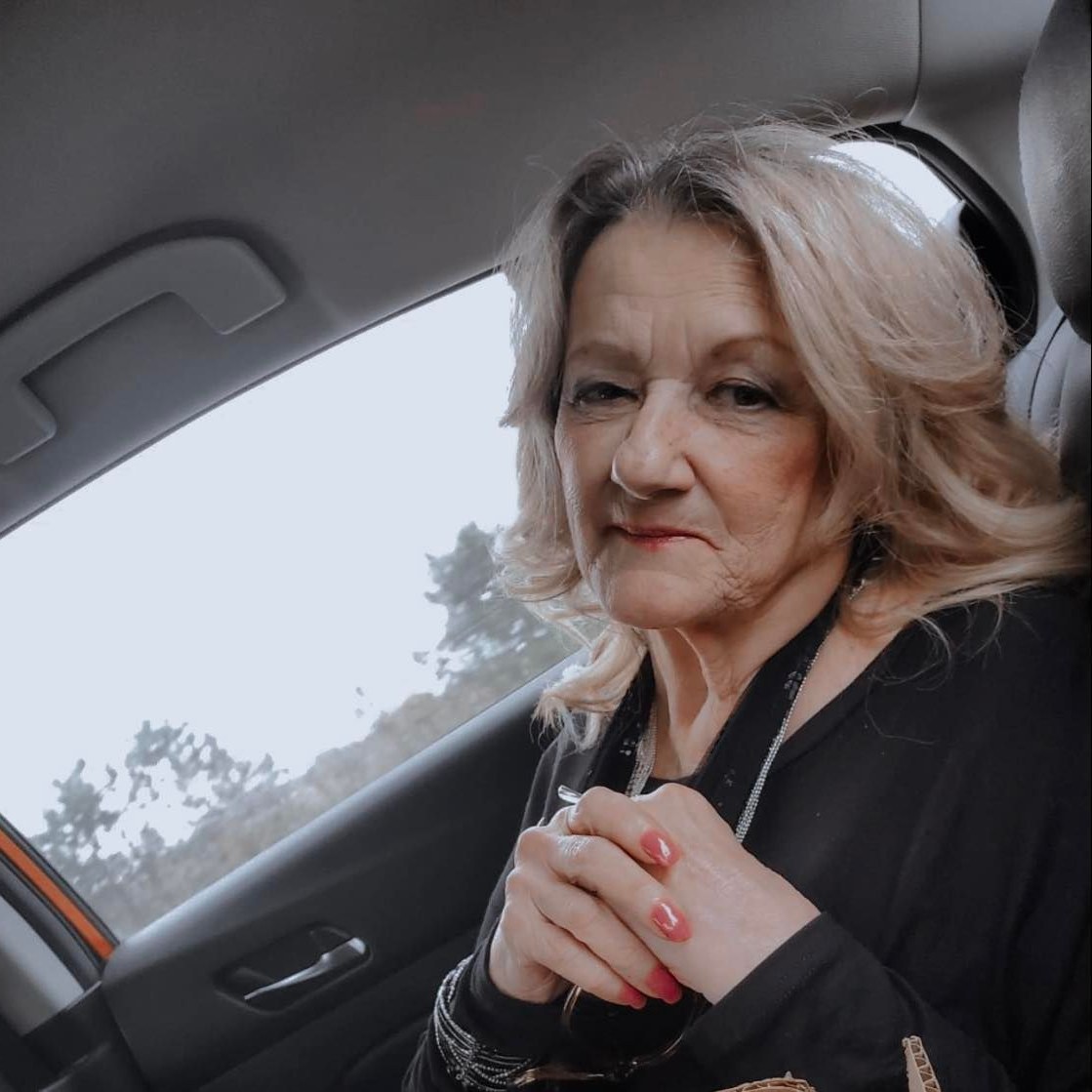
Patricia Ernsberger, Mansfield, Ohio

According to Walter Elliot, a 19th century American priest, “perseverance is not a long race; it is many short races one after the other.”    

A life measured in terms of months or years due to a condition like cancer is much the same. Daily routines are disrupted, with all family members impacted by what the person with disability or disease is going through. 

I did it again. I had one of those “OMG, I’m old!” moments. Then I took a breath and reminded myself of those people, young and old who live with since birth disabilities like I do, who never came close to the number of years I’ve chalked up. I’ll be 70 next year! Imagine that. 

On 11 July, my little friend Eli James from Tennessee passed away. He lived with the most severe form of Spina Bifida and managed to squeeze a lot of purpose out of almost 13 years. He was a firecracker and won’t be forgotten by those who got to know him through a Facebook presence created by his Mom, Dawn. His service dog, Tobias, was a huge part of his life.

Death visited my online world again when, on Monday, 11 September, my friend, Patricia Ernsberger, from Mansfield, Ohio passed away due to stomach cancer that grew quickly. 

         Using the handle SilkyWay, in honour of a cat who liked only her, according to her grandson, Kody,  her death was a total shock and saddened our scrabble community. She was a vital part of the daily ‘doins’ and we could always count on her for all manner of ‘stuff of life’. Her family had expected at least a few more weeks. Alas, they were not given any more time with a woman with whom I interacted for years on a daily basis – all of it online. On a scrabble site. We were hooked! Oddest thing, though – we never played each other. Now, we never will.


 Over my many years of participation on the ‘information highway’, I’ve come across people from all over the world – people I’ll never meet in person but with whom I have a connection nonetheless. For over a decade, I’ve been part of an online scrabble community at a site called International Scrabble Club. Many of its members came from now defunct sites; I migrated from Internet Relay Chat’s #networdz channel. Lots of lively conversations each day with people, from the very young to the very old; young people still in grade school to men and women in university or trade school -- some taking their first degree, others on their second or third.                                                                                                     

Trish was thrilled to meet one of our fellow players in person, Hollie Packer, know in our scrabble world as luvs2scrab. We, in the scrabble channel, were equally thrilled for them. Sadly, Hollie passed away not long after, having struggled quietly with illness. For her, the scrabble tile flinging was a diversion from the slings and arrows of life.

Others in the group also had the opportunity and pleasure of meeting and greeting, sometimes one person meeting another, or a group getting together at a mutually agreed upon location; some met at scrabble tournaments.                  

The rituals we undertook for years became a staple for those of us who lived with challenges to mobility that impacted comfort, critical to moving around in the community. In some circles we’d be called lonely – we weren’t.  We had daily ‘people’ fixes though we never made coffee for them or shared a meal. Online relationships and connections are no less valuable than the ones we have in real life where we can see folks breathing and blinking.

Trish and I had one thing in common; we weren’t much for going out and about in our community, finding it more comfortable to stay home, in jammies with a cup of coffee, a few scrabble games or to watch a classic movie. We both were huge fans of British whodunits and got to enjoy all manner of excellent films via online streaming. Though sometimes a challenge, internet technology and all its quirks was something both of us wanted to learn more about.  Many folks in our chat room were trained in IT and always ready to offer instruction and advice. As well, I had my writing and Trish had her crafting. We stayed busy and engaged in things that were important to us.


I found myself often taking Trish into private chat to explain to her how to do this or that, or how to install and set up a program I thought she might like and find useful. She was ever the student and truly loved learning. Her limited out and about frustrated her emotional health, but she never let it get her down, not one to dwell on situations out of her control. I am convinced it’s the not stewing about things that we cannot change that makes our quality of life better and allows us to get up each day with a renewed sense of purpose. 


Trish’s life was one of perseverance. She kept going in spite of many challenges. I think that’s what drew me to her. Many in the world define themselves based on the stuff they’ve accumulated, convinced they couldn’t do without this or that and seemed not to believe folks who would say that their slow-paced life was enough. It is! Trish proved that it was.

Rest in peace, my friend.


Carla MacInnis Rockwell is a freelance writer and disability rights advocate living outside Fredericton, NB with Miss Lexie, a rambunctious Maltese and Mr. Malcolm, a boisterous Havanese. She can be reached via email at mailto: Carla MacInnis Rockwell

Sunday, September 10, 2023

Character building in the classroom

Photo: Luke Hendry/Postmedia

Coming out of COVID lock-down has forever changed the landscape with regard to how we conduct ourselves within the community; from how things now function within the school systems, within the workplace and in public gathering places. To ensure health and wellness of all, it’s vital that men, women, boys and girls embrace being a ‘WE’ people. Some of us are disadvantaged by circumstances beyond our control and sometimes need a hand up.

According to William Ellery Channing, a Rhode Island born Unitarian preacher, “the home is the chief school of human virtues.”

Not a day goes by that we don’t read or hear about some ‘wronged’ person, adult or child, going on a rampage, armed with assault weapons, randomly shooting moving targets who are running for their lives. Clearly, all is not well in their world for them to explode their rage in a hail of bullets.

Parenting children today is no easy task, with the push and pull of almost every facet of daily life contributing to elevated stress levels — children want what they want — NOW. Some parents tend to give in rather than have conversations about the value of patience and behaving in acceptable ways to ‘earn’ the object/toy of their desire. They need help.

I recall, many years ago, making my way through parenting a young school-age stepson, venturing into not totally uncharted territory as I was used to being around youngsters. He was not an easy child, a combination of temperament and circumstance, so I decided that a way to reach him would be through reading together. All manner of books became part of his childhood library. Among them Joy Berry’s series, Let’s Talk About, with each book focusing on a single topic and includes cartoon illustrations and relatable situations. Though designed for pre-schoolers, they were appropriate for my stepson given his situation. The Let’s Talk About books help children identify, understand and learn how to handle their new feelings. It was my hope that my stepson would adjust and grow into this new, blended family. Alas, that was not to be. His needs were far greater than my abilities to meet them. Now an adult, he still hasn’t fully found his feet.

That is why I am a strong advocate of early intervention for children with special needs, unique circumstances and different learning styles, with adults in their world who just don’t seem to get them. That being so, I also believe that virtues/moral values should to be taught in school. They need be taught in school.

In Ontario Catholic schools, as example, they have what is called graduation expectations. It’s not about advancing the doctrine of a particular religion; rather it’s about developing in students a skill set that readies them for their place in their community as full-time, ongoing contributors. Students must meet a specific set of goals/requirements in order to graduate; to me, it’s ideal in theory and in practice. In fact, we could use it in our schools — I’m sure parents and teachers would welcome it. Several of the goals include: an effective communicator; a reflective, creative and holistic thinker; a self-directed, responsible, lifelong learner; a collaborative contributor; a caring family member; and, a responsible citizen. Each goal has various individual components which guide behaviour and learning.

Children who are not getting enough constructive conversation in the home, for whatever reason, need access to it in school — the one place where they rely on other adults to help them when they need it. Success in life isn’t just about reading and writing, language arts and maths. One must have the basics of kindness, of caring and sharing, if they are to achieve favourable outcomes in other aspects of life.

I don’t think I’d be too far off the mark when I say that, if each school day, in each classroom started with “Good morning, how are you feeling this morning? John, you go first,” teachers would soon realize there is a need and they have an opportunity to fill it. Invite students to share but remind them that others need to have a turn. If there’s not enough time to get to everyone, invite them to stay after school for more conversation. Invite colleagues to participate and explore plans for making these discussions a part of daily interactions with students. Such exchanges could potentially save lives as they allow teachers to see who’s struggling with situations beyond what would be expected. Stabilize the feelings and the learning takes flight.

Character/morals education is not some outdated concept that has no place in school curriculum. It has a very important place in the education of our children if they are to succeed in life. Building character in children also involves including them in the community so that they come to know that what they have to say and how they feel is important.

Morals education is like growing a vegetable garden. The seeds are planted and watered and as ideas flourish and feelings mature, the weeds are pulled away. Imagine if students developed their own real-time gardens and watched them grow. Carrots and conversation go well together.

Carla MacInnis Rockwell is a freelance writer and disability rights advocate living outside Fredericton, NB with Miss Lexie, a rambunctious Maltese and Mr. Malcolm, a boisterous Havanese. She can be reached via email at Carla MacInnis Rockwell

Saturday, August 26, 2023

Doctors need to listen more to their patients


Photo/Unsplash

To coin one of my oft-used phrases — ‘we’re going to have a sharing moment!’

I live with spastic diplegic cerebral palsy. Years ago an episode of chest pain required that I go to the city hospital ER 40 minutes away. I’m not a ‘frequent flyer’ in the ER so  to make the decision to go was not without a lot of thought. Do I really, really need to? At the time my husband was still living, supporting my decision.

Earlier in the day, while at the mall, I was having difficulty wheeling my Quickie chair up a ramp which normally was not a problem given my powerful upper body. I worried because my heart was hurting. My family doctor at the time made house calls and while attending me at my home after the mall outing, put me on his portable heart monitor. He was concerned enough after the exam to insist that I go to the hospital immediately though there was no need for ambulance transport.

I went to the hospital ER, outlining symptoms in detail, noting that my family doctor felt that I experienced a mild ‘cardiac event’ based on his exam. I didn’t have a long wait, thankfully. Given my status as an ‘at risk’ patient, I also have a need to be really proactive when it comes to avoiding too much contact with germs -- colds and flu. For me, a simple cold could develop into pneumonia.                                                                           

The ER doctor arrived and I took note of the fact that I wasn’t invited to get out of my chair to lie on the exam table. As was my habit, I wheeled around the space, mentally photographing the environment - part of my modus operandi in the event that I did have to stand up and make my way to the table. I prefer to move under my own power as being ‘manhandled’ had potential to cause me to totter/balance shift; then I have to  ’re-balance’. A fall at my advanced age poses even greater risk, given I am a senior citizen with a since-birth brain insult but still uprightly mobile; quite an accomplishment! I wasn’t about to jeopardize my health and wellness any further by landing on my bum and possibly breaking or dislocating a limb. It’s important for clinical staff, whether nurse or doctor, to ASK if a patient with obvious mobility disorder who IS able to walk, would like or requires assistance.  To not ask and simply latch onto them without regard for their personal safety is inappropriate as their boundaries were not respected.

I also noted another ‘problem’ with the ER doctor’s protocols. She did not wash her hands. I had observed her munching on a slice of pizza just moments before she came to see me but said nothing. I was asked about the reason for my visit while the doctor, rarely making eye contact, looked at the chart. She then asked why I was in the wheelchair and was informed about the spastic diplegic cerebral palsy status. Much to my shock, she asked what CP is. Confidence in this physician went right out the window, barreling down the highway. 

The doctor put the chart down, bent over and leaned into me and with her thumb pushed on my stomach. There was no blood pressure taken, no temperature taken, no questions about chest/heart pain asked, no questions about what I ate that day. Red flag! Red flag! Red flag! Red flag! In just seconds, the diagnosis - indigestion. She wrote a script for Propulsid, and with that, the  examination had concluded.

For the record, I’ve never had indigestion in my life. I would be remiss, however, if I didn’t point out that in many patients, heartburn and indigestion can and do mimic symptoms of a heart attack so ALL avenues must be explored. 

I accepted the script and bid the doctor good day, wheeling away without a backward glance. There was NO WAY I’d be getting that script filled. Once at home, I researched the drug and was stunned to learn that it had potential to cause fatal arrhythmia. It was finally taken off the US market in 2000. I had a conversation with my father, a old-school country doctor, and within days was examined by a cardiac internist in Fredericton. More tests followed, and I was subsequently diagnosed with grade two aortic insufficiency; two pinhead sized holes in the valve.  Had I taken the drug as prescribed by that ER doc, I could have found myself in serious difficulty, compromising the ‘golden hour’ of care lost because my proximity to the hospital would have most assuredly worked against me.

Fast forward over two decades later, and I’m still ticking along, paying attention to my body; 70 next year, I take only one script drug. My ‘good medicine’ is working!

My point in sharing this story is to make people aware that they have a right to assert themselves. To all doctors who may be reading this column, attention must be paid not only to what YOU see and hear from the body you examine, but what the patient is telling you. Hearing and listening is vital to outcomes. Let those two critical skills be your gifts to your patients as you work to establish a rapport that grows into a trust driven relationship that is critical to patient health going forward. 

Carla MacInnis Rockwell is a freelance writer and disability rights advocate living outside Fredericton, NB with Miss Lexie, a rambunctious Maltese and Mr. Malcolm, a boisterous Havanese. She can be reached via email at Carla MacInnis Rockwell

Saturday, August 12, 2023

Where do retired mobility aids go?


Elijah William James and friend

When I was born in 1954, the diagnosis of spastic diplegic cerebral palsy came within the first year, by Alexander Torrie, an orthopaedic surgeon trained in Scotland and paediatrician, Barbara Robinson-Watson, both practicing at the former Victoria Public Hospital in Fredericton, NB. Dr. Robinson was the only woman in her class in 1947.

My parents weren’t long getting everything lined up to do battle with that thing that insulted my brain.

Over the course of my early years there was a parade of ugly brown boots into which equally ugly heavy metal braces with leather straps and knee pads were clipped. For a tiny girl, that added weight threw me off balance. I was exercised 4 times/day for 12 years, had knee surgery at age 8, and have the distinction of being the then Forest Hill Rehabilitation Center’s first child patient back in 1966. At that time, they treated stroke patients and a few with spinal cord injuries. No paediatrics. I was a trail blazer. The facility opened in 1958 with Stan Cassidy being one of its first champions. Years later, it went on to be named after him and with the passage of time, relocated to the current Dr. Everett Chalmers Hospital. My last stint as a pint-size summer patient was spent at Rosary Hall, being taxied back and forth by my favourite nun, Sister Monica Guest. Her sister, Marie, my family’s housekeeper when I was a child was a great friend to me; one of many who influenced my moving forward through a life that was marked by a ‘different’ ableness. Next year, I’ll mark 70 years of upright mobility. There will be cake!

It was during my last extensive therapy summer that I was freed from braces. Oh, what a relief it was. I still used crutches, of course, to ‘straighten and slow’ my wobbly gait. Face-planting on gravel would never be a good look.

I believe that my childhood experiences would have been enhanced with the limited/outside use of a wheelchair, to get from A to B a bit faster. ‘Walk this way’, was cumbersome and exhausting. Over the decades, my shoulders, elbows and wrists took a hit because it’s not ‘natural’ to have that constant hyper-extension. There were penalties paid for independent movement.

Times and technology changed how those ‘leg irons’ look. Today, moulded plastic orthotics make life so much easier for all those children who came after me. My first experience with them was when I was 28 years old when it was felt I should return to orthotics to correct a gait compromised by age and a wonkier spine. The joy never ends. Their use was short lived as I was lopsided, given only one foot required heavy metal correction and the other the slip in the shoe plastic orthotic. I think I got 6 months in, then called the whole thing off. I was an accident waiting to happen.

My young Facebook friend, Eli, who recently passed away, started wheelchair training at the Patricia Neal Rehab Center in Knoxville, TN, and at 2.5yrs old, the youngest child with whom they had use the microlite technology. According to his Mom, “he drove with only switches for quite a while, training for a year. The insurance denied the chair he needed so we did a fundraiser to pay for his first.”

Later, a more mature Eli got another set of wheels.

The struggle for families like Eli’s is real. The right equipment enhances quality of life, notably the learning experience of early education with peers. Being able to move around boosts emotional and physical development given that fitting in is fundamental to life experience. It’s amazing what appropriate mobility aids can do for a child who does not walk.

So, what becomes of orthotics and other supplies we no longer need but are in good shape? Lots of things aren’t custom made so could be used by anyone with a few minor tweaks. The ideal solution is to get the medical supplies that you no longer need to people who can use them because they are poor or have little or no access to medical care. Many organizations will take no-longer-needed, or even better, never used medical equipment and supplies from hospitals, doctors, and dentists but not all take donations from individuals. I gave orthotics to a donations scheme for impoverished countries. My wheelchair, after 28 years of service, was donated to the Red Cross for their program.

Should you have equipment to rehome, the best course it to advertise, with description and photographs, in local newspapers and grocery/shopping center message boards. Be clear on how you want folks to get in touch with you so that interactions go smoothly. If you use social media, that is an ideal place to connect with people who can benefit from what you have available. The opportunities are endless.

Locally, small donations can often go to nonprofits like homeless or women’s and men’s shelters, so please check with the agencies in your communities who may be able to pick-up or have convenient drop-off locations. Yes, homeless shelters can make use of things like crutches, canes and walkers, though space may prohibit keeping even one wheelchair on hand. Calling ahead to find out how what you have can benefit their clients is a way to reach out to ensure you’re networking in an expeditious way.

Knowledge is power.


Carla MacInnis Rockwell is a freelance writer and disability rights advocate living outside Fredericton, NB with Miss Lexie, a rambunctious Maltese and Mr. Malcolm, a boisterous Havanese. She can be reached via email at mailto:carmacrockwell@xplornet.ca 

Saturday, July 29, 2023

The legacy of Eli


Eli James and Tobias his faithful companion


        On Tuesday, 11 July, one of my Facebook friends passed away; a friend I never met but who impacted my life and the lives of thousands in ways too numerous to count. Most of my online contacts are adults; relatives, friends far and near, work colleagues from years past. Then there are people from across the globe I have never met and am not likely to meet; adults with disabilities like cerebral palsy, parents of children with disabilities, and clinicians who work with adults and children with challenges to daily living have become part of my interactions online.                                      

Then there was Eli. 

        Elijah William James was only 12; almost 13 come December, but he packed a lot of living into those years. What is truly amazing is that he did his thing his way in his own time in spite of the fact that his fancy sneaker clad feet never walked a single step. His personality carried him where he needed to go and where he wanted to be, with lots of love and support from his biggest fans, his family.

Eli was born with the rarest form of Spina Bifida --  Rachischisis or ‘complete spina bifida’. Spina bifida refers to the failure of the closure of the dorsal aspect of the vertebral foramen of one or a few vertebrae. Many of us are familiar with that particular spinal abnormality.

However, if many adjacent vertebrae are involved where the vertebral arches fail to develop at all, it is called a rachischisis, where the vertebral canal is open the entire length and spinal cord is exposed. 

Clinical signs range from silent (spina bifida occulta), to mild, to occasionally severe depending on the level of the involvement of the spinal cord or the cauda equina, which is the sack of nerve roots (nerves that leave the spinal cord between spaces in the bones of the spine to connect to other parts of the body) at the lower end of the spinal cord.  “Craniorachischisis is a variant of rachischisis that occurs when the entire spinal cord and brain are exposed – simultaneous complete rachischisis and anencephaly. It is incompatible with life; affected pregnancies often end in miscarriage or stillbirth. Infants born alive with craniorachischisis die soon after birth.” 

In an early interview with the Vanderbilt School of Medicine, Eli’s Mom, Dawn, had this to say: “We spoke with 10 specialists during my pregnancy, trying to see if we could find somebody who would give us hope or help. It was completely unanimous; every one of them turned us down. There had never been a child, in documented history, who had survived with the size lesion he had,” she said.

    Fighter Eli, who wasn’t expected to live a day let alone 12 years, changed the landscape of outcomes and opinions. That he did live was testament to his strong will to be with his family and enjoy his life no matter how long or short. And he did! 

His days were filled with laughing and fun, but always challenged by one thing or another creeping in to interrupt the flow of his time with family and friends. 

Thousands of people had the privilege of getting to know Eli William James through his mother’s diligent ‘diary entries’ via Facebook, which included lots of videos of Eli doing little boy things, then bigger boy things as he matured; by that point, activities included Tobias, the standard poodle service dog who, in reality, was far more than that. Tobias was a part of the family; another ‘brother’ who happened to have a lot of useful skills that allowed Eli to live and be in the world with a measure of safety and self-assuredness.

That Eli thrived was down to his own strong spirit to embrace life and to the devoted daily care of his Mom and the love and support of his sister, his father and others who were a huge part of his world. The medical teams who were a significant part of Eli’s life and living had a rare opportunity to learn from this little fellow. And learn, they did. He challenged their view of medical care and their part in it for all the days of his life. They most assuredly will never forget him.  The lessons they’ve learned from Eli will carry them through the rest of their medical career and they will forever be grateful for having known him as a fine young man with purpose.

Reading the obituary of a child is a challenging part of the circle of life; knowing they lived and had parents and family who cared about them, no matter the length of their years. We wouldn’t be human if we didn’t wonder what happened to them that took them so early from living a life that’s full, to leave forever a family and a future unrealized. Many got to know Eli and his journey with profound disabilities, awed by his powerful personality. Yup, he was a force. 

Though Eli is gone, the needs of children like him continue. How can you help in your community? Perhaps take a special needs babysitting course so you may offer relief for stressed families. Some haven’t had a break in years. 

You could be the means by which they can allow themselves a bit of respite for a few hours now and then, knowing their child is safe and well. What a gift!

Carla MacInnis Rockwell is a freelance writer and disability rights advocate living outside Fredericton, NB with Miss Lexie, a rambunctious Maltese and Mr. Malcolm, the boisterous Havanese. She can be reached via email at Carla MacInnis Rockwell


Saturday, July 15, 2023

Are you aging as well as you might?


Photo: Martin Wightman/Brunswick News


I concur with Bette Davis’ sentiment   that ‘old age ain’t no place for sissies.’

I’ve had conversations with men and women who live with disabilities, ranging from polio to arthritis to MS to cerebral palsy. Mobility disorders will always be challenging as they impact where we can and cannot live, where we can and cannot work, where we can and cannot get an education, wine and dine, and so on. Architectural accessibility will always pose challenges, particularly  in older parts of the country where there was little or no thought to the notion that persons with conditions that impacted walking, stepping and standing would need or want to go out and about in their community.  In A Christmas Carol, Tiny Tim rested on his father’s shoulder for excursions through their village; he was often viewed as an object of pity, inspiring people to be sad for his lot in life.     

In today’s world, the Tiny Tim image has been replaced with the likes of Franklin Delano Roosevelt, Helen Keller, Stephen Hawking,  Rick Hansen and Christopher Reeve among others. Their marks on history are indelible.                                                                                 

As I age with CP, they and I share a common feature of the process of growing old with  wonky mobility. Because we use our good muscles to compensate for deficits, we wear them out more quickly than the able-bodied.  With the passage of time, those of us who do walk, layer a few other disabling conditions over the existing one; in my case, my shoulders, elbows and wrists are impacted by the greatest wear and tear as a result of alternating use of crutches and wheelchair and the constant extending of my arm to use my hand to touch ‘the spot’ as I walk about. I have frequent sessions with my TENS unit, with complimentary care including a visiting physiotherapist to keep my legs tuned into my brain with patterned movement so that I may continue to walk as I walk. I also use a lovely microwaveable heat bag. I’m more inclined to use that than reach for pain medication like Tylenol #3.   It’s amazing how effective heat can be to a strained, aching muscle. 

Ultimately, I must be doing something right, given I’m still uprightly mobile and independently living as I enter my 70th year. 

Key to healthy aging, that impacts the entire body, from head to toe is hydration. Not just with juice, coffee or cola, but good old H2O. Juice, flavoured water, or enriched milk products are also good choices. Be mindful that alcohol tends to dehydrate, so pay attention to intake.

Persons with mobility disorder who rely on others to assist them through the day often don’t drink enough water because they don’t want to ‘bother’  a spouse, a sibling, a son or daughter to assist them in toileting. It’s critical that families have conversations about the importance of the person with disability doing whatever he needs to do to stay healthy and out of hospital for issues that could have been prevented with sufficient hydration. 

Across the country, communities have been grabbed by heat waves. Community-mindedness is key to ensuring that those we don’t see out and about are having their needs met; again, I tout the value of ‘friendly visiting’, within your community just to ‘check in’ with those who would benefit from your care and attention. 

Water, water must be everywhere; available especially to children and older adults who may not remember to drink up! Frequent fill-ups are vital to those populations to ensure that they don’t suffer from heat-related collapse. 

In the nursing home setting particularly, care staff must be diligent about making the rounds with pitchers of ice water, encouraging water drinking and helping  those who are challenged accommodating the need. Necessary as well is assisting with bathroom needs, since they’re going to be increased. 

Sufficient water intake contributes to a greater level of alertness and concurrent lessening of combativeness which is found in some patients with early, or even fully involved dementia. Sufficient hydration really does improve mood and that makes life more pleasant for everyone. After all, our bodies are approximately 60% water so filling up after a bathroom visit is a good way to get into the habit of keeping the ‘fuel tank’ full.

Symptoms of dehydration in the elderly may sometimes be subtle, but not drinking enough water and fluids can have impact on aging bodies such as mine. Severe dehydration can lead to confusion, weakness, urinary tract infections, pneumonia, bedsores in bedridden patients, and other serious conditions. Though I do walk, I limit moving about, particularly in really hot weather, opting to ‘sit it out’ with a binge watch of a favorite TV series. Give me winter!

During these extended periods of dangerously hot weather, we must look after ourselves and drink water. From the medical/physical perspective, severe dehydration is a potentially life-threatening emergency and can cause serious damage to kidneys, heart, and brain; to avoid severe hydration, respond to signs of dehydration by drinking fluids that rehydrate. Consuming hydrating foods is another way to take care of yourself; watermelon, strawberries, oranges, peaches and cantaloupe, to name a few, are ideal hydrating foods. Friends on fixed incomes might look to sharing cost of an assortment of ‘good eats’. There are lots of creative ways to stay   hydrated and healthy during hot weather. What are your tips to stay cool?

Carla MacInnis Rockwell is a freelance writer and disability rights advocate living outside Fredericton, NB with Miss Lexie, a rambunctious Maltese and Mr. Malcolm, the boisterous Havanese. She can be reached via email at Carla MacInnis Rockwell

Sunday, July 2, 2023

Magnesium reduces the wobble in my walk


Photo: Angel Sinigersky/Unsplash


When it comes to health and wellness, I’m my own best advocate; I’d venture to say that I’m an expert in living with cerebral palsy and how aging affects the physical body challenged by this neurological disorder. How the emotional health is affected is a discussion for another time.

In recent news, Canada is looking at new regulations with regard to ‘natural health products’, which includes supplements. Magnesium is considered a supplement. If magnesium, as a supplement, is regulated, that could put a wrench into the well-orchestrated health management schemes many of us have had in place for decades. 

I won’t stress myself prematurely, though, as most health and medical practitioners are aware of the role magnesium plays in the body. Unfortunately, we are a society that is magnesium deficient and that has inherent long-term implications with regard to overall health and wellness. The same can be said for deficiency in iron, C, D and zinc. The list goes on; all are necessary to ensure the body works to its fullest potential. Nutrition based acquisition of vitamins and minerals is the best course, obviously, but folks like me need a little extra oomph.

Because I walk the walk, I feel that I can, with a certain degree of authority, talk the talk. I know one thing for sure — medicating/sedating an uprightly mobile person such as I is the wrong approach if clinicians, doctors and therapists charged with physiotherapy or occupational therapy intent on insuring our quality of life, want to contribute to our independent living in our own homes with minimal supports required. 

For several decades I’ve researched how lifestyle, nutrition, supplementing and emotional engagement enhances our daily living. Of particular interest is how the brain, insulted by cerebral palsy is impacted by various minerals and vitamins; more specifically, magnesium, which has contributed to ease of movement, pain management, regulating heart rhythm, mental acuity, and more restful sleep.
 
Magnesium deficiency has long been held as the one of the most under-diagnosed and therefore under-treated conditions plaguing both young and old; deficiencies have been implicated in ADHD, depression, dementia, sleep disturbance, joint/muscle pain. The list is long. Even dogs and cats can suffer from magnesium deficiency. Yes, it’s ‘a thing’.

I am not a doctor nor do I play one in the media. What I am is an aware consumer of medical/health and wellness goods and services, aging in very good health with very few prescription drugs, with only one taken regularly. And that, my friends, is what has kept me on my feet for close to 70 years. Proper nutrition, exercise/movement, proper rest and lots of water do it for me.

Features of magnesium deficiency: chronic fatigue, lethargy or low energy, chronic headaches or migraines; high blood pressure; rapid or irregular heart rate; anxiety or panic attacks; lack of appetite; confusion or difficulty concentrating; mood swings; feeling irritable; twitching, tics, or restlessness; restless leg syndrome; shortness of breath; sensitivity to loud noise or light. Each of us may have a different experience with deficiency. Doing an internet search for ‘symptoms of magnesium deficiency’ and then another search for ‘benefits of magnesium’ will allow you to make decisions about whether you are deficient and whether you’d benefit from supplementing.

It’s intracellular and not serum magnesium levels that must be checked because magnesium flows between blood, the bones and inside cells. Ask your physician to order a magnesium red blood cell test (Magnesium RBC), with a repeat test after taking magnesium supplements for a few months. Keeping a journal will allow you to monitor changes in your body with regard to symptoms lessening or disappearing altogether.

My experience with magnesium supplementing began decades ago when I started taking it to reduce muscle spasticity, fatigue and bone pain related to aging with cerebral palsy and coping with concurrent fibromyalgia and aortic insufficiency. I continue to take a therapeutic dose of magnesium — a tablet at breakfast and at bedtime. A regular dose would be once a day. Since it functions as a sleep aid/muscle relaxant, I’d recommend taking it at bedtime. As with all things, consult with your physician before undertaking any supplementing protocols. What works for me may not be appropriate for you.

In discussions with those living with chronic disease or fixed neurological condition, I always advise them to have conversations with treating physicians, especially if supplementing with magnesium may allow them to reduce or eliminate one or more pain medications, or a sleep aid, or a daily antacid preparation. Magnesium is critical to the functioning of the entire body, so if you don’t have enough, it’s not difficult to see just how many problems can pile on top of each and how you might be simply masking the symptoms with pain management drugs without ever addressing the root cause — the deficiency itself. If you have relatives, parents, children, grandchildren or others who fit the magnesium deficient profile, have a conversation with them about seeing their doctor for appropriate tests.

Within my canine family, dearly departed Mr. Digby’s journey with magnesium supplementing began when he was 15 years old, considered advanced geriatric in canine parlance, when melatonin failed to address his wakefulness and nocturnal wandering. So far, my current geriatric canine housemate requires no such intervention.

Magnesium may also be appropriate for senior/geriatric individuals in the clinical care setting, who experience mental confusion and sleeplessness. It would be a win-win for all, as restorative sleep is critical to wellness.

Lullabye and goodnight.

Carla MacInnis Rockwell is a freelance writer and disability rights advocate living outside Fredericton, NB with Miss Lexie, a rambunctious Maltese and Mr. Malcolm, a boisterous Havanese. She can be reached via email at  Carla MacInnis Rockwell